
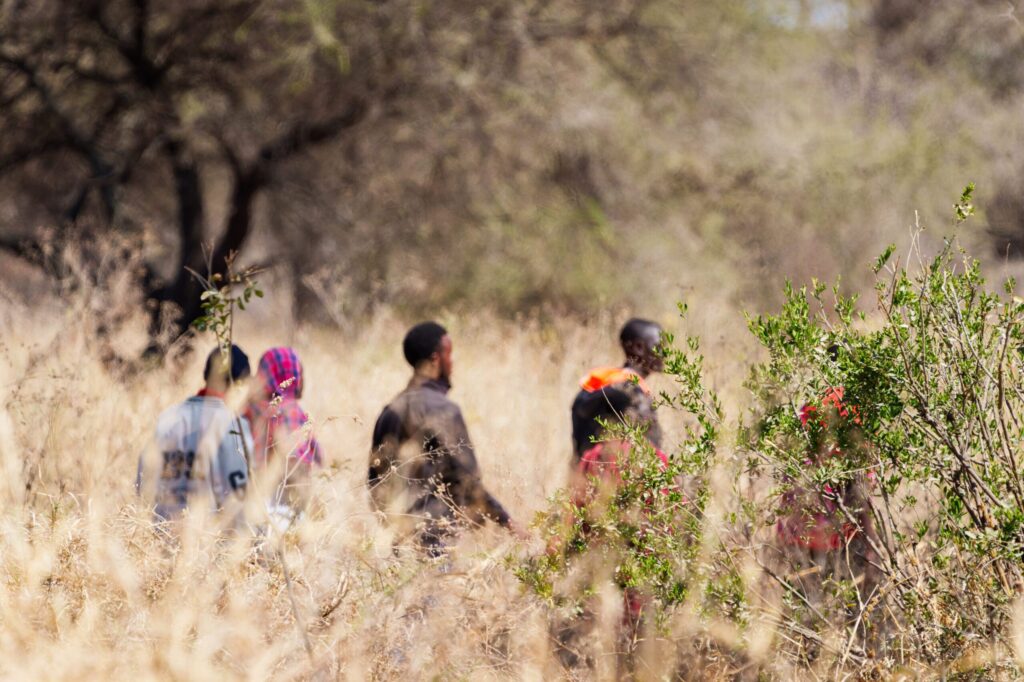
Most itineraries treat culture as an afternoon between game drives. That is a missed opportunity, because cultural tours in Tanzania are the part of the trip people describe most vividly a year later, and the northern circuit passes through several genuinely distinct communities on the way to the parks.
This guide covers who you can actually meet, what the visits involve, how to tell a real cultural exchange from a staged one, and where they fit in a safari route.
Who you can meet on the northern circuit
The Maasai
The best known, and the community you are most likely to encounter around the Ngorongoro Conservation Area, where Maasai pastoralists graze livestock alongside protected wildlife under a multiple land-use arrangement that is rare anywhere in Africa.
A good visit covers cattle as currency and social structure, the age-set system, how boma compounds are built and by whom, and the practical reality of raising livestock in a landscape with lion in it. A poor visit is a dance, a jewellery table and back in the vehicle in forty minutes.
The Hadzabe
Near Lake Eyasi, one of the last hunter-gatherer communities in East Africa, speaking a click language unrelated to almost anything around it. Visits typically involve joining a morning hunt or foraging walk rather than sitting and watching.
This one carries the most ethical weight of any cultural visit in Tanzania. The community is small and heavily visited. Go with an operator who works with the same families over time, keep the group small, and be prepared for something considerably less choreographed than a village tour.
The Datoga
Also near Lake Eyasi, pastoralists and skilled metalworkers who forge arrowheads and jewellery, historically trading arrowheads to the Hadzabe. Usually visited on the same day, and the blacksmithing is genuinely interesting to watch.
The Chagga
On the slopes of Kilimanjaro. Coffee farming, irrigation channels engineered generations ago, and the underground tunnels used during nineteenth-century conflicts. A coffee tour here is a proper half day and pairs naturally with a Kilimanjaro trek or a Moshi stopover.
The Iraqw
Around Karatu, between Manyara and Ngorongoro. Farmers with a distinct language and building tradition, and the community most travellers pass through without stopping despite being ideally placed on the route.
How to tell a good visit from a bad one
The difference is mostly structural, and it is set before you arrive.
- How is the community paid? A fixed fee agreed in advance and paid to the community is very different from a village relying on tips and craft sales from whoever turns up.
- Who arranged it? Directly with the community, or through a middleman taking a cut?
- How many vehicles per day? A village receiving four groups a day is running a performance. One receiving four a week is receiving guests.
- Is there a translator who is actually from there? Without one you get a demonstration rather than a conversation.
- Can you ask questions? The test of a real visit is whether it goes somewhere unscripted.
Photographs, and how to handle them
Ask before photographing anyone, every time, including children. Some communities charge a photography fee, and that is entirely reasonable. Some individuals will decline, and that is also reasonable. Treating a village as a backdrop is the single fastest way to turn a good visit into an uncomfortable one, and your guide will notice even if nobody says anything.
Where cultural visits fit in a route
- Karatu, between Manyara and Ngorongoro. A natural half day with the Iraqw without adding a transfer. Our Taste & Meet Tanzania itinerary builds Karatu in.
- Lake Eyasi. Needs a full day and usually an overnight. Worth building in deliberately rather than squeezing.
- Ngorongoro Conservation Area. Maasai visits sit naturally alongside a crater day, often on the rim.
- Moshi or Marangu. Chagga coffee farms, best as a first or last day rather than mid-safari.
One well-planned cultural day beats three rushed stops. If culture is a priority, say so at the planning stage and we will build the route around it rather than slotting it in.
Common questions
Are cultural visits worth it?
When organised properly, they are frequently the thing people remember above the animals. When organised badly they feel extractive to everyone involved. The arrangement matters more than the destination.
Do I need to bring gifts?
No, and unsolicited gifts to children cause more harm than good. If you want to contribute, ask your guide what the community has actually asked for.
What should I wear?
Modest and practical. Shoulders and knees covered is a reasonable default across most Tanzanian communities.
Can children come?
Yes, and they often get more out of it than adults. Meeting children their own age tends to land harder than anything else on the trip. See our guide to a family safari in Tanzania.
Itineraries with cultural time
- Taste & Meet Tanzania (6 days): elephants, a crater morning, and a hosted market and farm day.
- Women’s Cooperative Craft Tour (half day): time with a women’s craft cooperative near Arusha or on Zanzibar.
- Mangrove Conservation Tour (3 hours): a morning in Michamvi with tidal channels, a boardwalk and a seedling to plant if the plot is open.
Arranged with the communities, not around them
We are a Tanzanian company and the cultural visits in our itineraries are arranged directly, on terms the communities set, with fees agreed in advance. We will tell you exactly how each visit is organised before you book it.
See our Tanzania safari packages, read more on travelling responsibly in Tanzania, and see how to plan the whole route.
Tell us what interests you and we will build the days around it.
