
No name in African travel carries the same weight as the Serengeti. Endless golden plains, seasonal river crossings (never guaranteed) and some of Africa’s highest predator numbers make it the centrepiece of almost every Tanzania itinerary we design.
Why the Serengeti belongs on your list
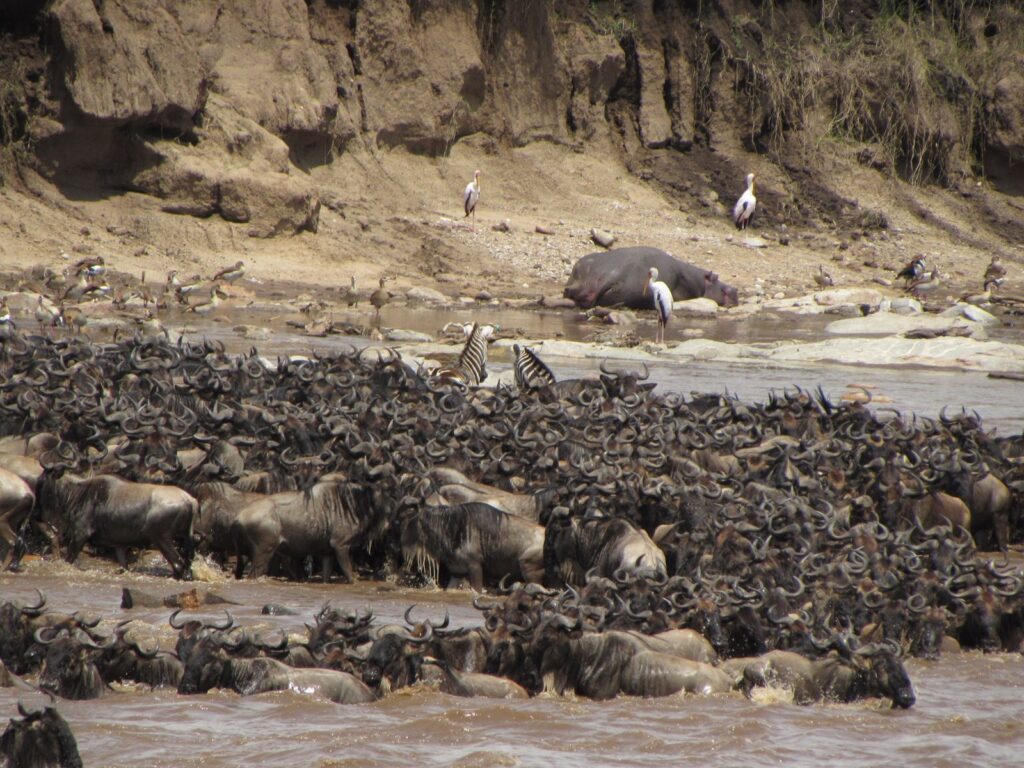
Serengeti National Park covers about 14,750 square kilometres, and it is the heart of the greatest wildlife spectacle on Earth: the Great Migration. More than two million wildebeest, zebra and gazelle move in a continuous, year-round circuit across the plains. Lion, leopard, cheetah and hyena follow them at every turn.
When to go
The Serengeti rewards visitors in every season, but the experience changes with the month you travel:
- June to July: The herds move through the Western Corridor and often cross the Grumeti River.
- August to October: The action shifts north to the Mara River, the setting for the famous crossings in wildlife documentaries.
- December to March: The herds return to the southern calving grounds. Thousands of wildebeest calves are born within a few weeks, which draws predators from every direction.
Best areas of the park by season
The Serengeti is often treated as a single destination, but it is really several distinct regions, and where we base you changes with the calendar. Seronera, in the centre, holds resident wildlife all year and is a safe choice in any month. Kogatende, in the north, comes alive from roughly July to October, when the migration pushes towards the Mara River. The southern plains around Ndutu take over from December to March for calving season. A well-planned itinerary often moves between two of these areas instead of staying in one.
Where to stay
Serengeti camps fall into three types. Permanent lodges have fixed locations and full amenities, such as pools. Semi-permanent tented camps stay in one place for a season and pack up during the rains. Mobile camps move several times a year to follow the migration. We work with all three. We match the camp to your season and to the part of the park you will explore, so you are never far from the action. We then balance how closely you want to track the herds against how much you value a comfortable, fixed base.
What a typical day looks like
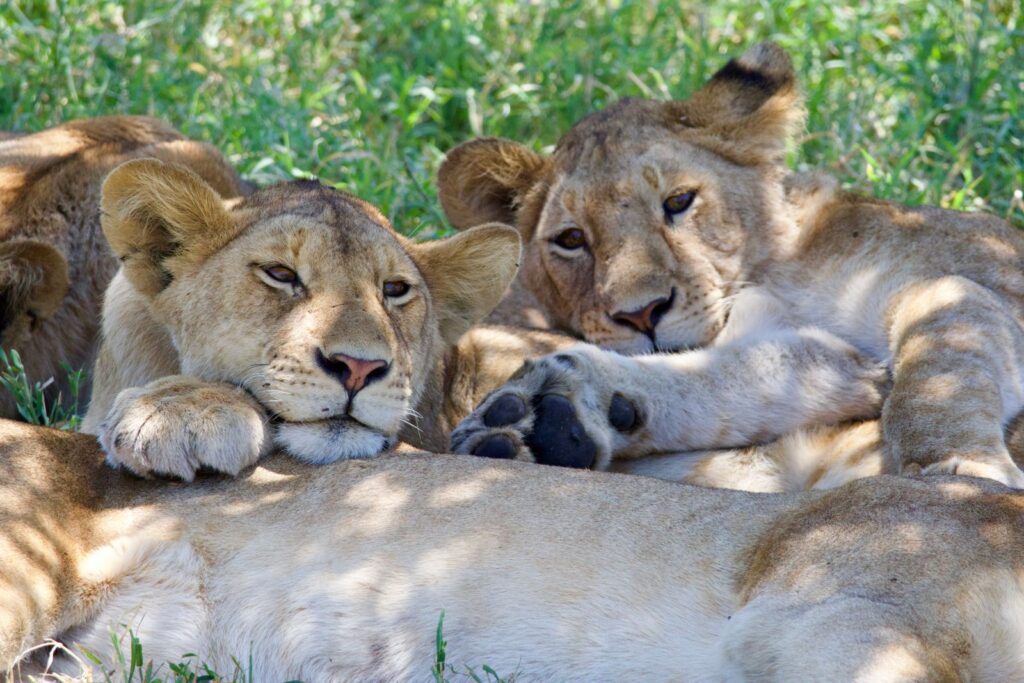
Most Serengeti days begin before sunrise, when the light is soft and the predators are still active from their night hunts. A mid-morning break leads into a second game drive in the late afternoon, when animals move again as the heat eases. Full-day drives with a picnic lunch are also available if you want to follow the herds without interruption.
Combine it with
Most travellers pair the Serengeti with time in the Ngorongoro Crater and, if the schedule allows, a few days on the beaches of Zanzibar. Our 5 day Big Five Signature covers the first pairing, and Safari to Zanzibar adds the beach. We can also build all of this into a single custom itinerary.
Serengeti safari: quick answers
How many days do I need? Three to four nights lets you explore different areas of the park, instead of rushing through on a single-night stop. See our 6 day Great Migration Serengeti for a trip built around the park.
Is it safe for young children? Yes, with the right camp. Ask us about our family safari guidance.
Can I add Zanzibar afterwards? Yes. It is our most popular add-on, and we build the flight connections into your itinerary.
Safaris that follow this route
- Great Migration Serengeti (6 days): the Serengeti sector that matches your dates, plus a crater morning.
- The Big Five Signature (5 days): Tarangire elephants, the crater floor and two Serengeti nights.
- Wild Tanzania Photography (7 days): dawn and dusk drives across Tarangire, the Serengeti and the crater.
Plan your Serengeti safari with MiGo
MiGo Legacy Safaris plans private safaris across Tanzania (small groups on request), from the Serengeti, Ngorongoro Crater, Tarangire and Lake Manyara to Kilimanjaro and the beaches of Zanzibar. Our local guides know where the wildlife is, in every season.
