
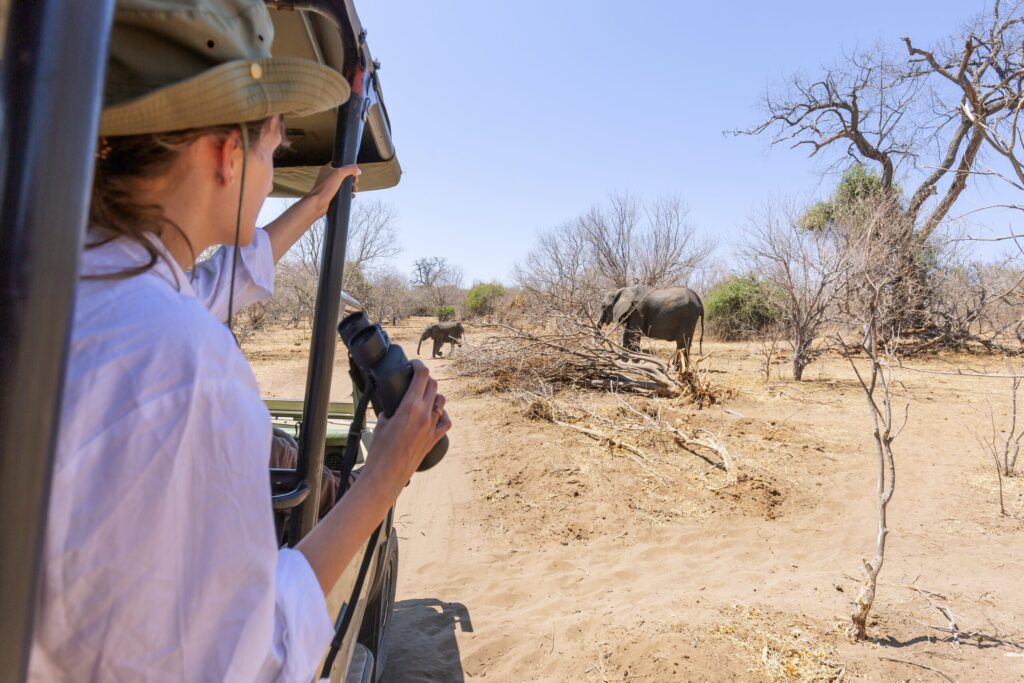
Nobody tells you the useful things before a first safari. Guidebooks cover the animals. The first-time safari tips that actually change the week are duller and more practical: what the days look like, what to wear, what to bring, and what nobody warns you about.
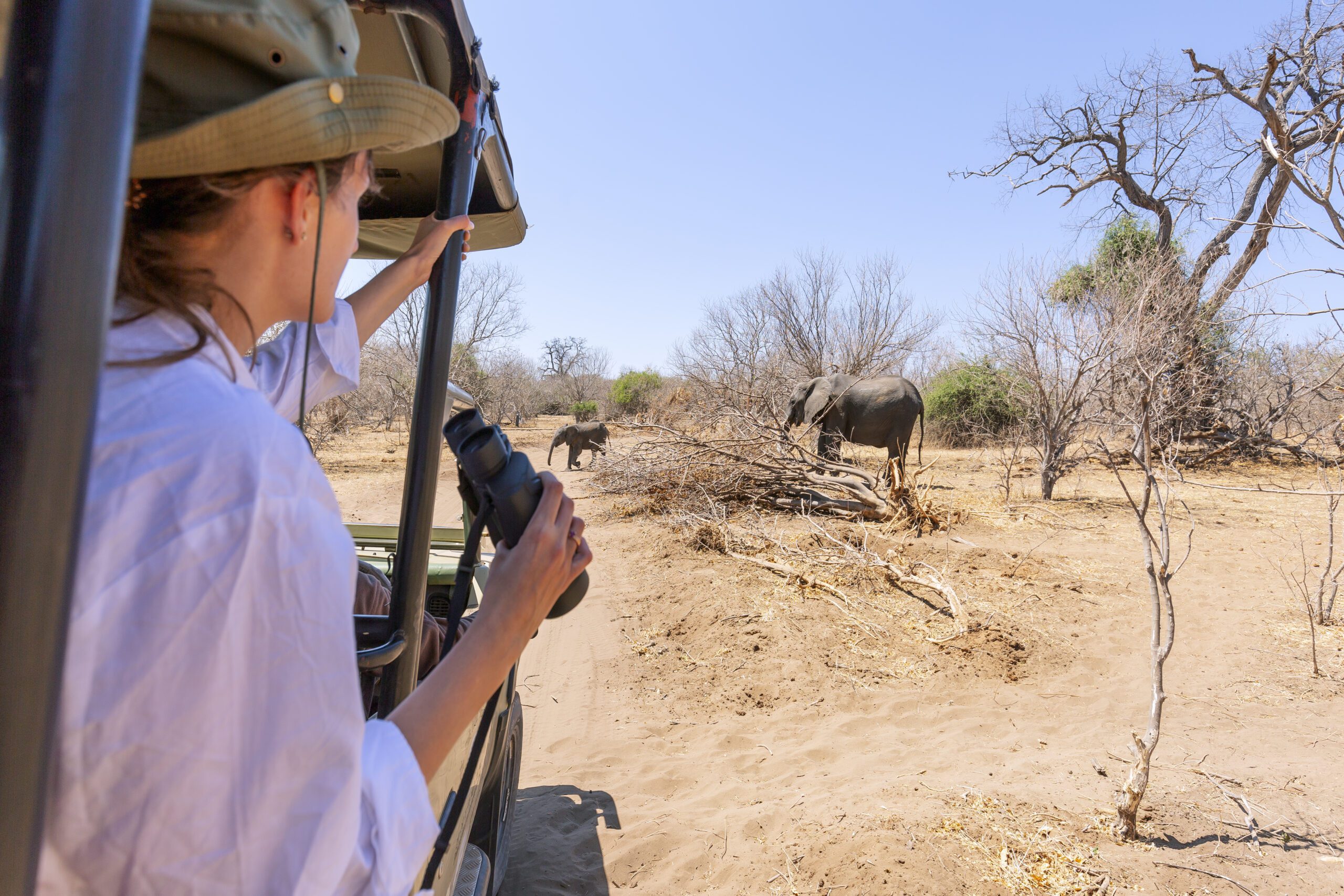
What a safari day actually looks like
Most people picture continuous animal encounters. The reality has a rhythm, and knowing it in advance makes the first two days far better.
- 05:30 to 06:00. Wake up, coffee, into the vehicle. Cold, dark, and the best part of the day.
- 06:00 to 11:00. Morning game drive. Predators are still active. This is when most of the good sightings happen.
- 11:00 to 15:30. Back to camp, lunch, rest. Animals sleep through the heat and so should you.
- 15:30 to 18:30. Afternoon drive as things cool and animals move again.
- 19:00 onwards. Dinner, usually communal, usually early. Everyone is asleep by nine, and nobody is embarrassed about it.
There will be long stretches where nothing happens. That is normal and it is not a failed drive. The waiting is what makes the twenty minutes with a leopard mean anything. Our 5 day Big Five Signature is planned for first-time visitors.
What to wear
- Neutral colours. Khaki, olive, brown, beige. Avoid bright white, which is visible for miles, and avoid dark blue and black, which attract tsetse flies.
- Layers. Mornings are genuinely cold, particularly on the Ngorongoro rim above 2,200 metres. By ten it is hot. A fleece you can shed matters more than a smart jacket.
- Long sleeves and trousers for mornings, evenings and tsetse areas.
- A wide-brimmed hat and high-factor sunscreen. The altitude burns faster than people expect.
- Closed shoes. Trainers are fine, hiking boots are unnecessary unless you are walking or trekking.
- Skip camouflage. It is restricted clothing in Tanzania and several neighbouring countries.
What to bring that people forget
- Binoculars, one pair per person. The single most under-packed item. Sharing one pair spoils it for both of you.
- A proper camera with reach. A phone will not photograph a lion at forty metres. 300 mm or more if you care about the pictures.
- A beanbag or folded fleece to rest a lens on the window frame. Tripods are useless in a vehicle.
- Spare batteries and cards. Camp power is often solar with limited charging hours.
- A dust-proof bag. The dust gets into everything, particularly in the dry season.
- A refillable water bottle. Most camps provide filtered water.
- Cash in US dollars for tips, in notes dated 2009 or later.
Things nobody warns you about
- The roads are genuinely rough. Hours of corrugated track. If you get carsick, take something and sit mid-vehicle.
- Baggage limits on light aircraft are tight. Usually soft bags of about 15 kg. Hard suitcases are refused. Camps do laundry daily, so pack half of what you planned.
- Camps are often unfenced. Animals walk through at night and you are escorted to your tent after dark. It is safe and it is also memorable.
- Wi-Fi is patchy, and that is fine. Two days in, most people stop checking.
- You will not see everything. Rhino in particular is a matter of luck. Anyone guaranteeing the Big Five is selling something.
Etiquette in the vehicle and in camp
- Stay seated and inside the vehicle at sightings. Standing changes your silhouette and can change the animal’s behaviour.
- Keep your voice down. Sound carries much further than people think.
- Ask before photographing people, every time, including children.
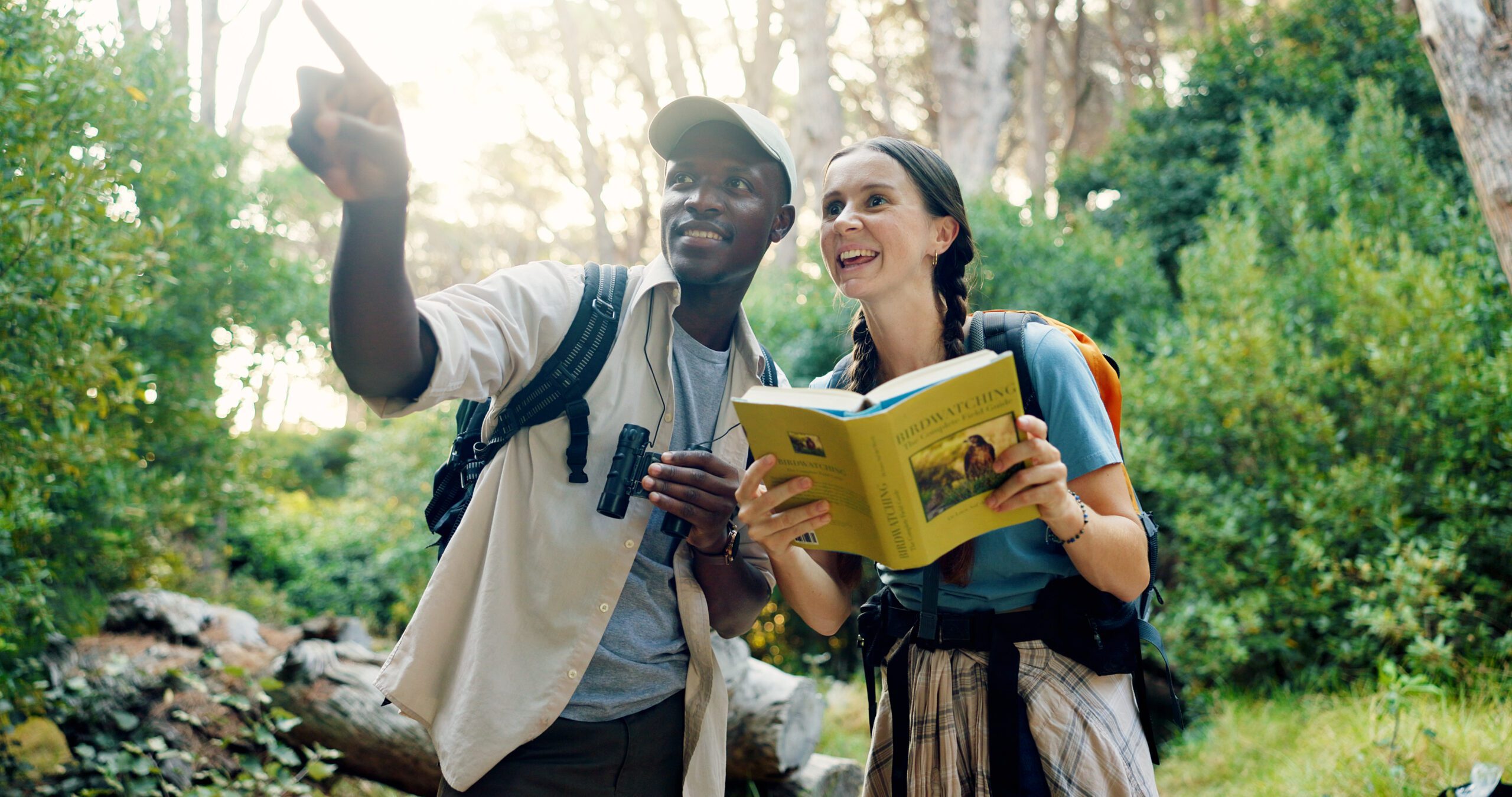
- Tell your guide what you want. Birds, cats, photography light, a slower morning. They will rebuild the day around it if you ask.
- Tip at the end, directly, in cash. It is customary and not included in any quote.
Health and admin before you fly
Tanzania is a malaria area. Speak to your doctor or a travel clinic about antimalarials and vaccinations well before departure rather than the week before. Yellow fever certification is required if you are arriving from a country where yellow fever is a risk, so check every leg of your routing including layovers. Take out comprehensive travel insurance that includes medical evacuation, and apply for your visa online in advance.
Common questions
How long should a first safari be?
Seven to nine nights on the northern circuit. Shorter and the travel time dominates. See how to plan a Tanzania safari for the full sequence.
Is it safe?
Yes, with experienced guides and established camps. The risks people worry about are not the real ones, which are sunburn, dehydration and rough roads.
Do I need to be fit?
No. A standard safari is sitting in a vehicle. Walking safaris and Kilimanjaro are different propositions.
What if I do not see much on day one?
Common and not a problem. Sightings are uneven across a week and the average is what matters. Do not judge the trip on day one. See where you are by day three.
Good first safaris
- The Big Five Signature (5 days): Tarangire elephants, the crater floor and two Serengeti nights.
- Tarangire and Crater (3 days): elephants in Tarangire and a morning on the crater floor.
- Great Migration Serengeti (6 days): the Serengeti sector that matches your dates, plus a crater morning.
Ask us the obvious questions
First-time travellers ask the most useful questions and we would much rather answer them before you book than after you arrive.
See our Tanzania safari packages, read what you will actually see, check what it costs, and get in touch with whatever you are unsure about.
