
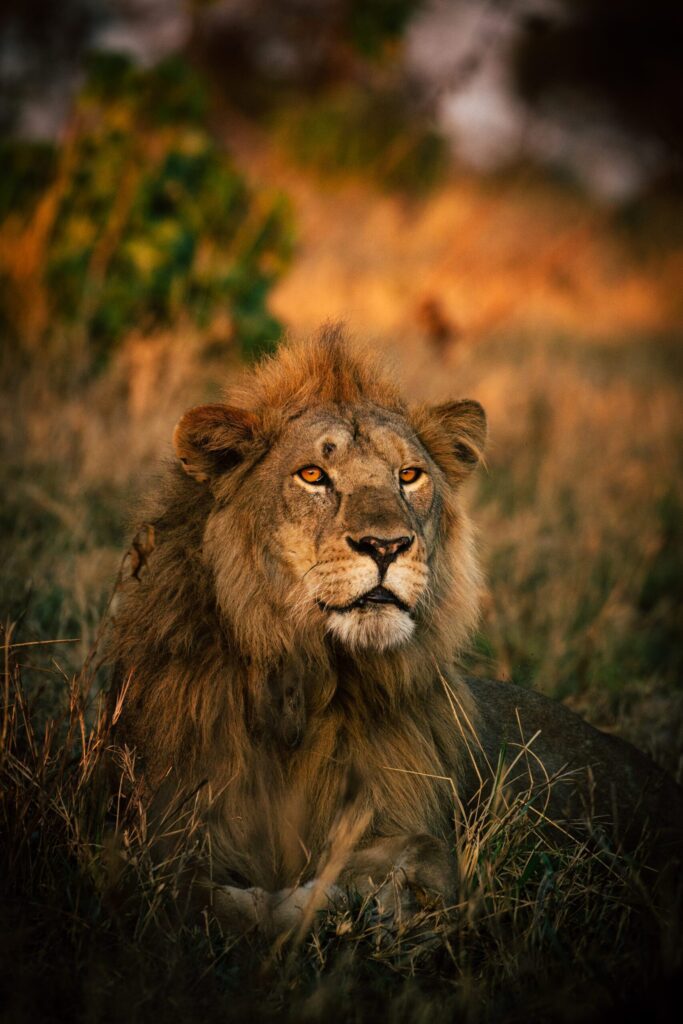
People book a Tanzania wildlife safari for the Big Five and come home talking about something else: a cheetah teaching cubs to hunt, ten thousand wildebeest moving as one animal, a honey badger picking a fight with a hyena. The list below is what the northern circuit reliably delivers, where each thing happens, and roughly when.
The Big Five, and where you actually find them
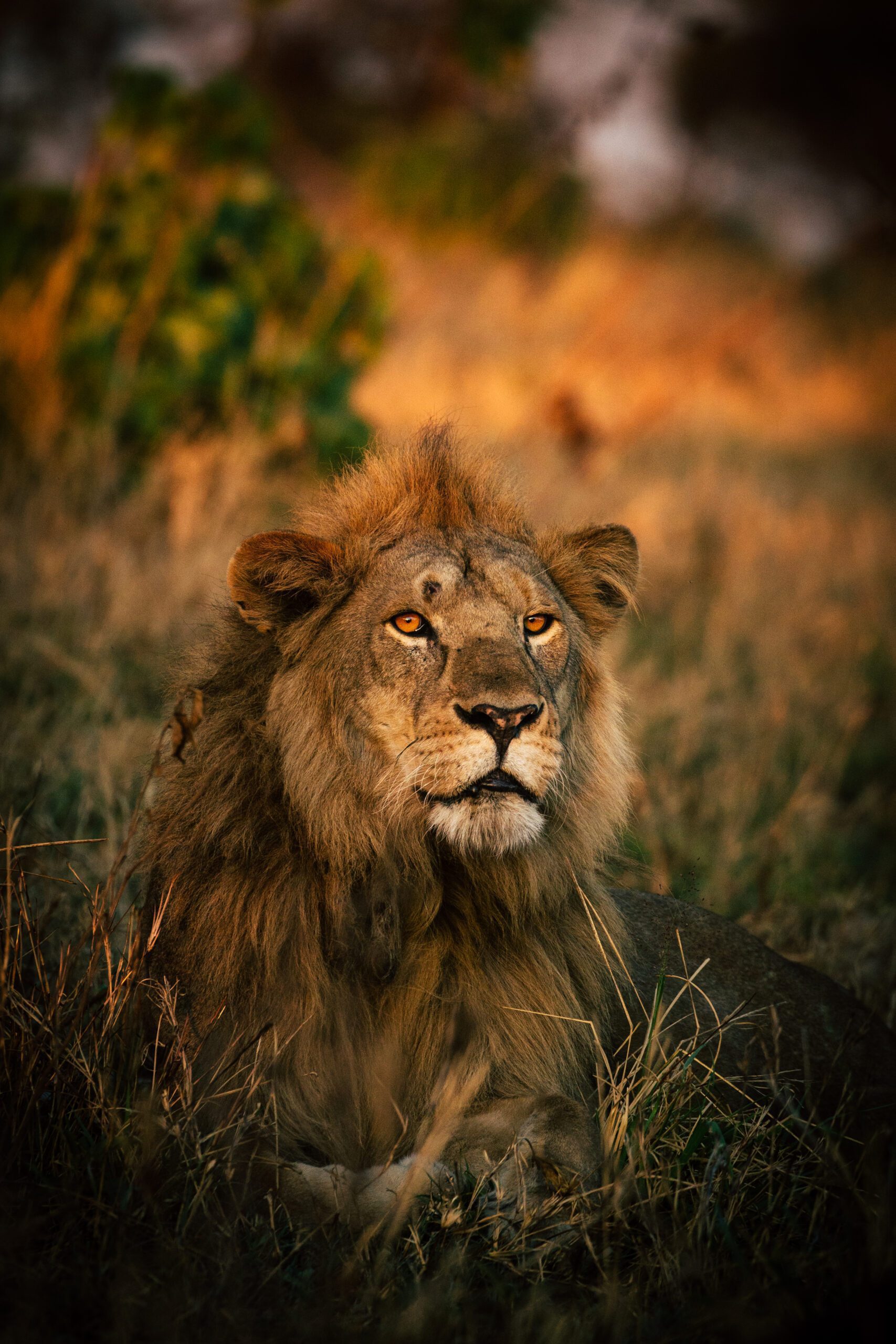
Lion. Common across the Serengeti and the Ngorongoro Crater. Seronera in the central Serengeti has high resident density year-round. The crater floor holds prides that hunt in the open with almost no cover, which makes for unusually clear viewing.
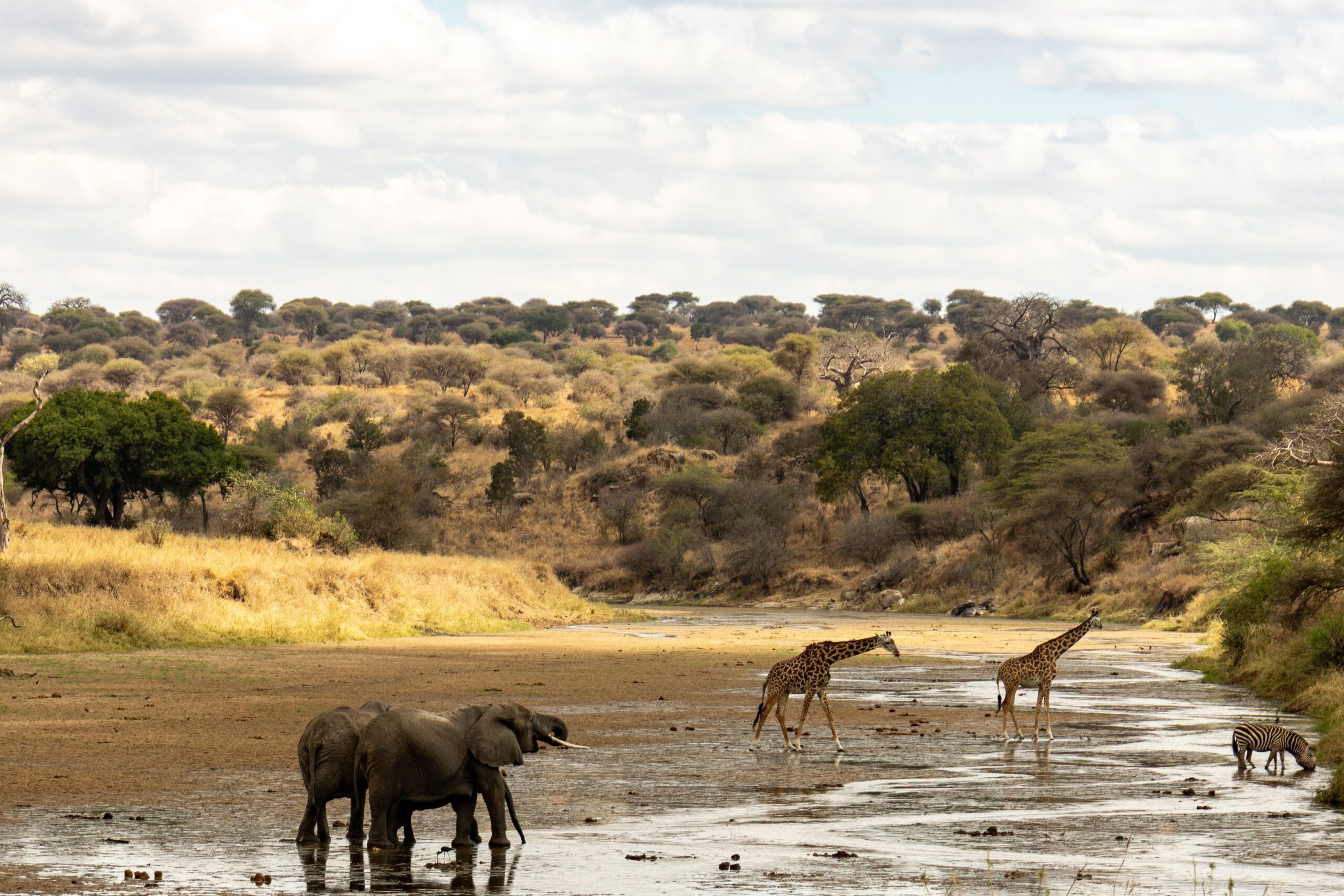
Elephant. Tarangire is the place. Large family herds gather along the river, and the combination of elephants and baobabs is the signature image of the park. Our Giants of Tanzania gives the elephants two days.
Buffalo. Widespread and easy. Big herds in the crater and throughout the Serengeti.
Leopard. The hard one. Seronera’s riverine acacias are the most reliable place in the country, usually draped along a branch in the middle of the day. Requires a guide who knows which trees to check.
Rhino. The rarest sighting on the circuit. The Ngorongoro Crater holds one of East Africa’s last viable black rhino populations, usually seen at distance across the floor. Bring binoculars and manage your expectations.
The Great Migration
The migration is not a single event but a continuous circuit. Roughly two million wildebeest, zebra and gazelle move through the Serengeti ecosystem all year, trailed by predators the whole way. Where they are depends entirely on the month.
- December to March. Calving on the southern plains around Ndutu. Thousands of calves born within a few weeks, and the highest predator activity of the year.
- April to June. The herds move north and west through the Western Corridor towards the Grumeti.
- July to October. The Mara River crossings in the northern Serengeti. The famous footage comes from here.
- November. The return south as the short rains begin.
Being in the right region for your month matters far more than which camp you book. Our Serengeti safari guide covers the regions in detail.
Beyond the headline animals
Cheetah on the southern plains
The short-grass plains of the southern Serengeti are among the best places in Africa to watch cheetah hunt, because there is nowhere for anything to hide. Best between December and March.
Tree-climbing lions at Lake Manyara
Not guaranteed and not unique to Manyara, but a genuine local behaviour and worth the half day.
Flamingos on the soda lakes
Lake Magadi on the Ngorongoro Crater floor and the shallows at Lake Manyara draw flamingos in numbers when water levels suit. It depends on conditions rather than on the season.
Spotted hyena
The crater’s clans are among the most studied in Africa after decades of research there. Watch them for twenty minutes and the cartoon scavenger reputation falls apart. They are formidable hunters and the social behaviour is more interesting than most predators on the list.
Birdlife
Over a thousand species nationally and more than five hundred recorded in the Ngorongoro Conservation Area alone. Even people who arrive indifferent to birds tend to leave with a list, largely because lilac-breasted rollers and secretary birds are hard to ignore.
Which park for which animal
| Park | Strongest for | Best months |
|---|---|---|
| Serengeti | Migration, lion, cheetah, leopard | Year-round, region varies by month |
| Ngorongoro Crater | Black rhino, lion, hyena, flamingo | Year-round |
| Tarangire | Elephant herds, baobabs, birdlife | June to October |
| Lake Manyara | Tree-climbing lion, baboons, birds | Year-round |
How to see more
- Go out at dawn. Predators are still active from the night. The gap between a 6 am and an 8 am start is the difference between a hunt and a nap.
- Stay inside the park. An hour’s drive from a gate lodge costs you the productive window at both ends of the day.
- Sit still. The best sightings come from waiting at one thing rather than chasing five. Tell your guide you would rather wait.
- Use a private vehicle. It is the only way to actually act on the point above.
- Bring one pair of binoculars per person. More sightings are missed for lack of optics than for lack of animals.
Common questions
Will I definitely see the Big Five?
Four of the five are close to certain on a well-planned week. Rhino is the variable, and it depends on the crater. Nobody honest guarantees it.
How close do you get?
Often very close, because animals in the parks are habituated to vehicles and ignore them. You stay inside the vehicle, which is what makes that possible.
What camera gear do I need?
A zoom reaching 300 mm or more if you are serious. Beyond that, a beanbag on the window frame works far better than a tripod in a vehicle.
Is the migration worth planning a trip around?
Yes, but plan the month first and the camp second. Turning up in the wrong region in the wrong month is the most common way people miss it.
Safaris built around the animals
- Giants of Tanzania (4 days): two days with the Tarangire elephants, then a night in the Serengeti.
- Great Migration Serengeti (6 days): the Serengeti sector that matches your dates, plus a crater morning.
- River & Wildlife Adventure (4 days): boat, walk and game drive in Nyerere, flying in from Dar es Salaam.
Build the trip around what you want to see
Tell us which animals matter most to you and we will build the route and the timing around them rather than the other way round. Browse our Tanzania safari packages, read the Ngorongoro Crater guide, check what it costs, and see how to plan the whole trip.
Tell us your dates and we will tell you honestly what you are likely to see.
