
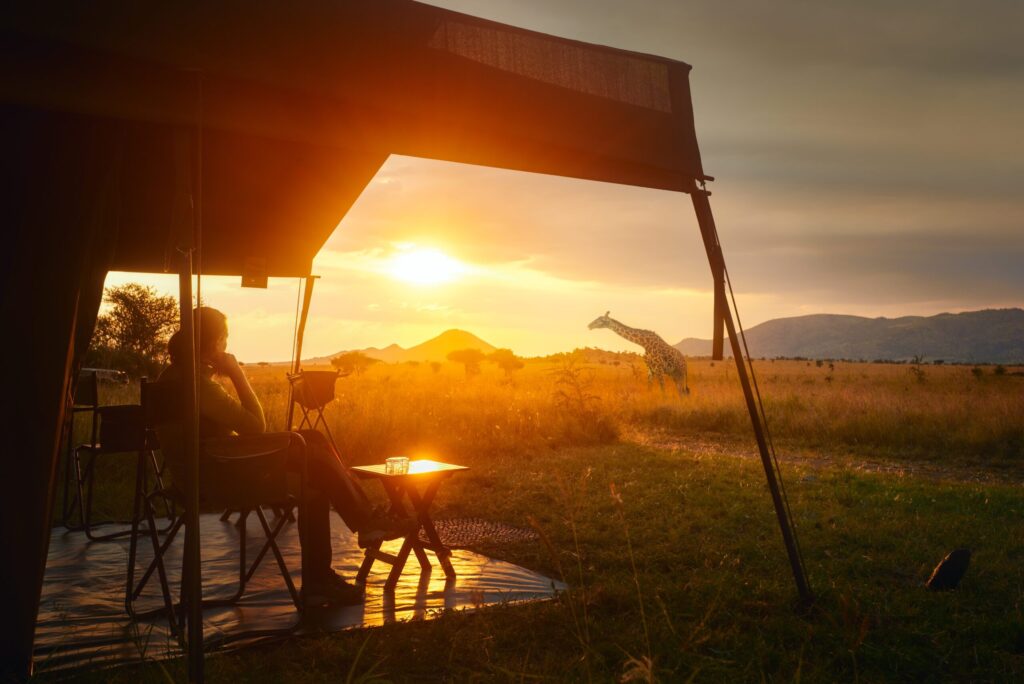
The phrase gets used loosely. Almost every operator in Arusha will sell you a luxury safari in Tanzania, and the itineraries look broadly similar on paper. The difference shows up in three places that a brochure rarely mentions: where your camp actually sits, whether the vehicle is yours alone, and who is driving it.
This guide sets out what the premium is genuinely buying, where it is worth paying and where it is not, and what to look for in a quote before you commit.
What the premium actually buys
Location, which matters more than thread count
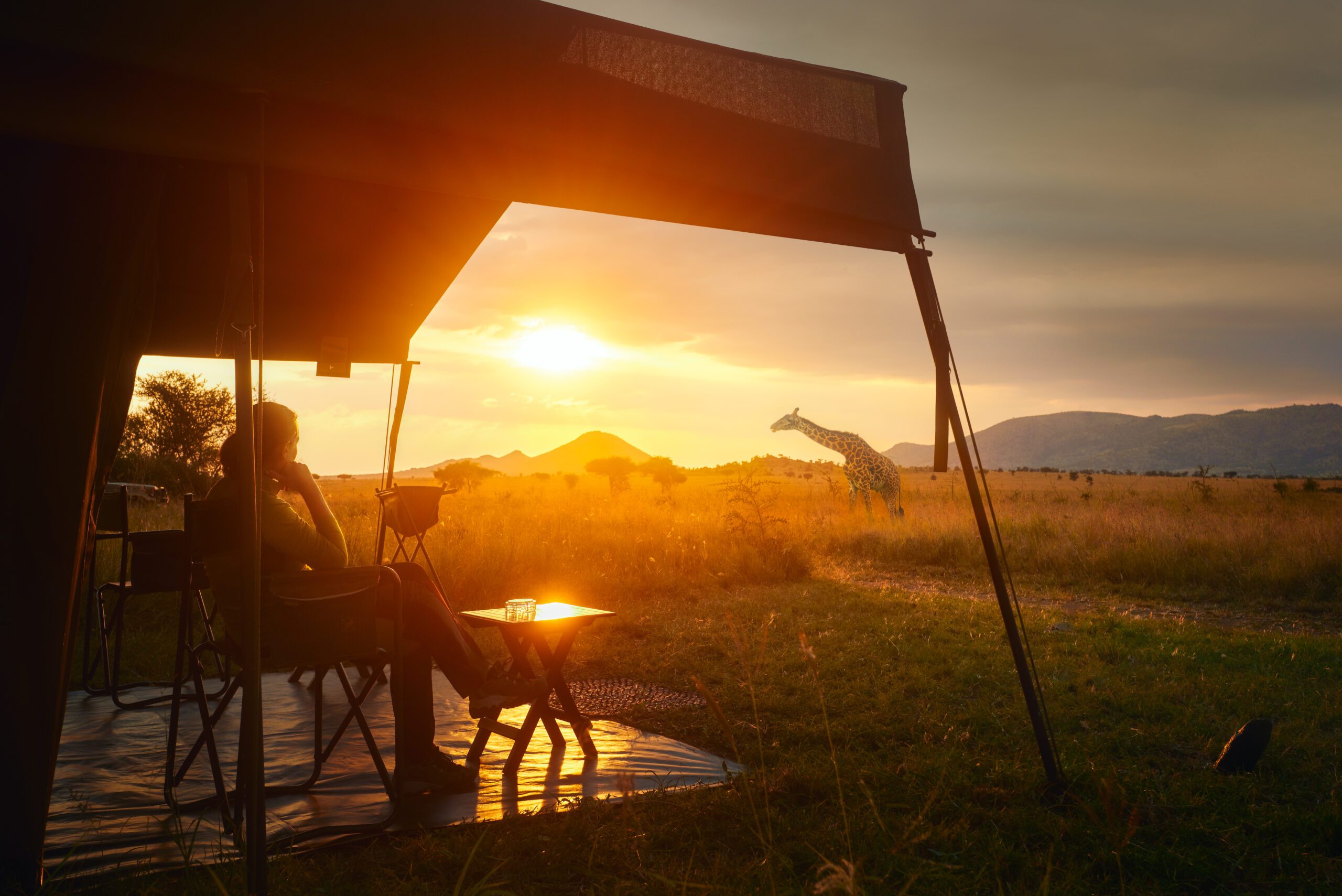
The single biggest difference between a mid-range and a luxury safari is where you sleep relative to the animals. A camp inside the park costs a concession fee on top of the conservation fee, and that is why lodges outside the gates are cheaper. What you pay for on the inside is time: you are in productive habitat at first light instead of driving towards it, and back for lunch instead of eating in the vehicle.
On the northern Serengeti in migration season, a camp positioned near the Mara River crossings versus one an hour south is not a comfort difference. It is whether you see a crossing at all.
A private vehicle and your own guide
On a shared vehicle the day belongs to the group. You leave when the group leaves, you stay at a sighting as long as the group wants, and you come back when the group is hungry. On a private vehicle you can sit with one leopard for an hour, skip the afternoon drive, or leave at 05:30 because your guide thinks the light will be worth it.
If you only upgrade one thing on a Tanzania safari, upgrade this. It changes more about the experience than the tent does.
Mobile camps that follow the migration
The genuinely high end of Tanzanian safari is the mobile camp: a small operation that relocates several times a year to stay with the herds. Fewer tents, no permanent infrastructure, and a position that changes with the season rather than being fixed by a building. It is not more comfortable than a good lodge. It is closer to the point.
Guiding
The gap between a competent driver-guide and an outstanding one is enormous and almost invisible in a quote. An outstanding guide reads tracks, anticipates behaviour rather than reacting to it, knows which radio reports to trust, and positions the car for light rather than for the closest view. This is the part of a luxury safari that is hardest to buy and easiest to get wrong.
Where the money is not well spent
Being honest about this is more useful than upselling.
- Enormous tents. You sleep in them and little else. Beyond a comfortable bed, a proper shower and a view, size adds cost and nothing else.
- Adding a fifth park. Every park added brings a conservation fee and usually a transfer day. A tighter route with more time in fewer places is a better trip and a cheaper one.
- Peak season for its own sake. If your interest is general game viewing rather than the river crossings specifically, shoulder season gives you close to the same wildlife at meaningfully lower rates and with fewer vehicles at each sighting.
- Flying every leg. Worth it on the long hops. The drive down the Rift Valley escarpment into the crater highlands is genuinely one of the better hours of the trip.
What a high-end itinerary looks like
A well-built luxury northern circuit over eight or nine nights typically runs something like this:
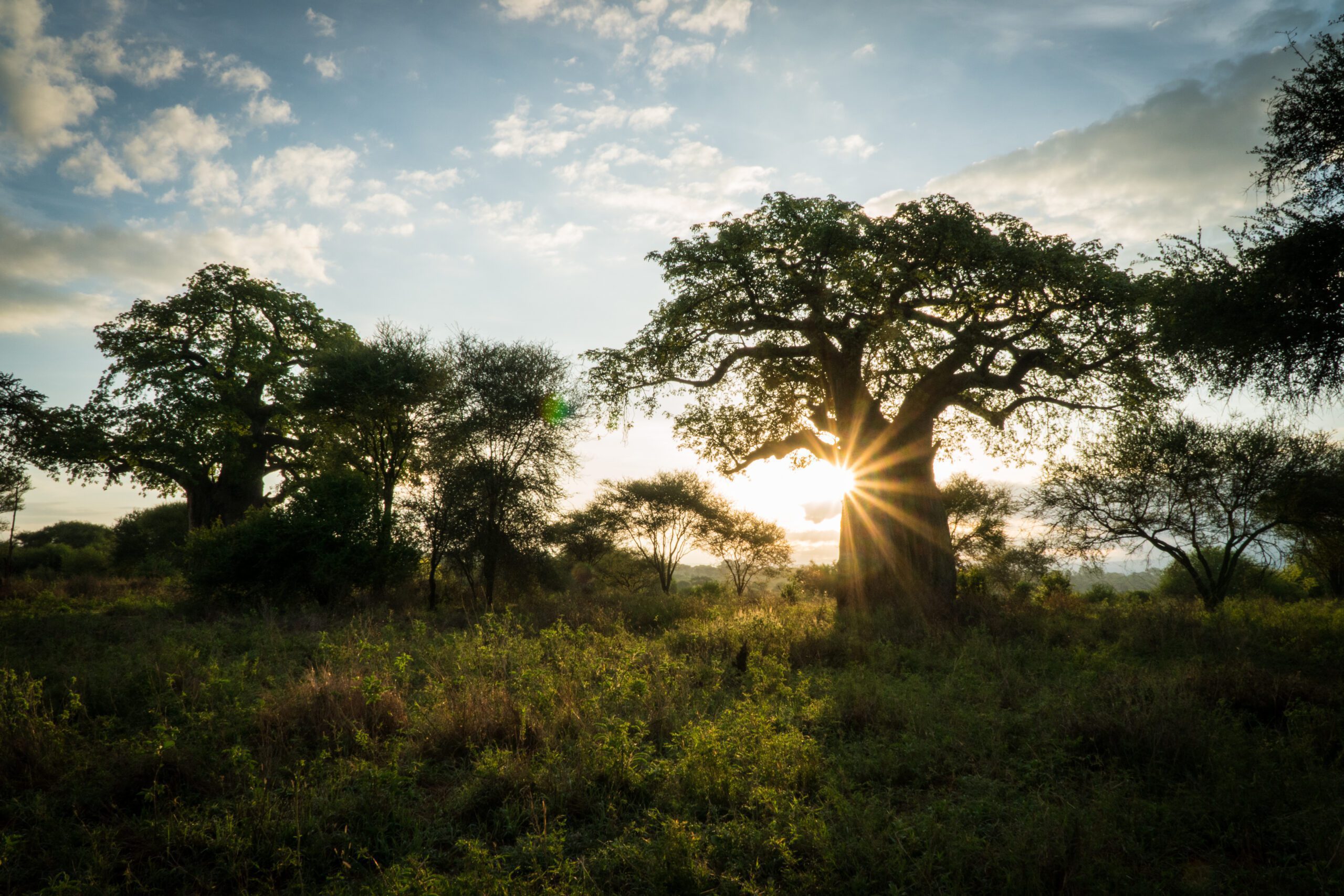
- Nights 1 to 2, Tarangire. Elephant herds and baobabs, a short drive from Arusha so the first day is not spent in transit.
- Nights 3 to 4, Ngorongoro Crater rim. One full descent into the crater, ideally starting at the gate opening to be on the floor before the vehicles converge.
- Nights 5 to 8, Serengeti. Positioned by season: the southern plains for calving from roughly January to March, the northern Mara River area from around July to October, the central Seronera region reliably year-round.
- Optional nights 9 to 12, Zanzibar. The standard decompression after the safari.
Where you are placed inside the Serengeti is the decision that matters most, and it changes month by month. An itinerary that puts you in the same camp regardless of when you travel is not a tailored itinerary.
What to check before you sign
Luxury quotes vary more than mid-range ones because the inclusions vary more. Confirm all of the following in writing.
- Whether the vehicle is private or shared, and whether that holds for every day or only some
- Whether the guide stays with you throughout or changes between parks
- Whether camps are inside the park boundary or outside the gates
- Which Serengeti region you are based in for your travel month, by name
- All conservation and concession fees, plus the Ngorongoro crater service fee if a descent is included
- Internal flights, airport transfers and baggage allowances, which are tight on light aircraft
- Drinks, laundry and camp activities, which are inclusive at some camps and not others
Common questions
What does a luxury safari in Tanzania cost?
Typically from about USD 800 per person per day, all inclusive. Above that the range is wide, and it is driven mostly by camp choice. Our full breakdown of Tanzania safari cost explains what sits inside the number.
Is a lodge or a tented camp better?
Tented camps at the top end are not a compromise. They are usually smaller, better positioned and quieter than lodges of equivalent price. Lodges win on pools, families and anyone uneasy about canvas walls.
When should I book?
The small camps that make a luxury safari worth the money have very few tents, and the good ones fill six to twelve months ahead for peak season. Late bookings tend to mean compromising on exactly the thing you were paying for.
Can a luxury safari work with children?
Yes, but camp minimum ages apply and vary. See our guide to planning a family safari in Tanzania.
Itineraries you can quote in your lodge class
- Safari & Romance (5 days): slow mornings, sundowners and the northern parks at a couple’s pace.
- Honeymoon Safari & Zanzibar (10 days): a slow northern safari with two nights in the Serengeti, then three beach nights in Zanzibar.
- Wild Tanzania Photography (7 days): dawn and dusk drives across Tarangire, the Serengeti and the crater.
Built around where the animals are
We plan high-end trips around the season rather than a fixed template, which means the camp we recommend for a February departure is not the one we would recommend for August. We will also tell you when an upgrade is not worth the money, which is more useful than a longer invoice. Our Safari & Romance itinerary is priced from mid-range lodges, and we quote luxury camps for it as a tailor-made itinerary.
Browse our Tanzania safari packages, read the Serengeti safari guide and our Ngorongoro Crater guide, then tell us your dates and we will build the itinerary around them.
