
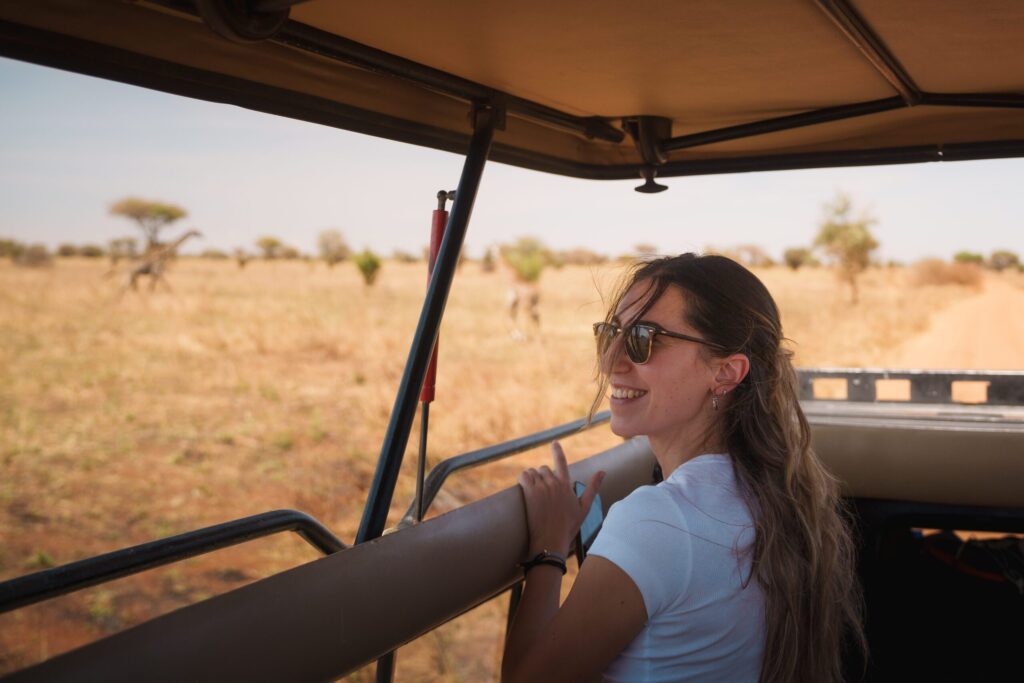
If you are comparing Tanzania safari tour operators, the first questions to ask are who owns the company and who guides the trip. Booking a safari means choosing between a foreign-owned operator with a slick website and a Tanzanian company you have never heard of. Most people default to the first. This is the case for the second, and specifically for local Tanzanian safari guides, which is where the difference actually shows up on the ground.
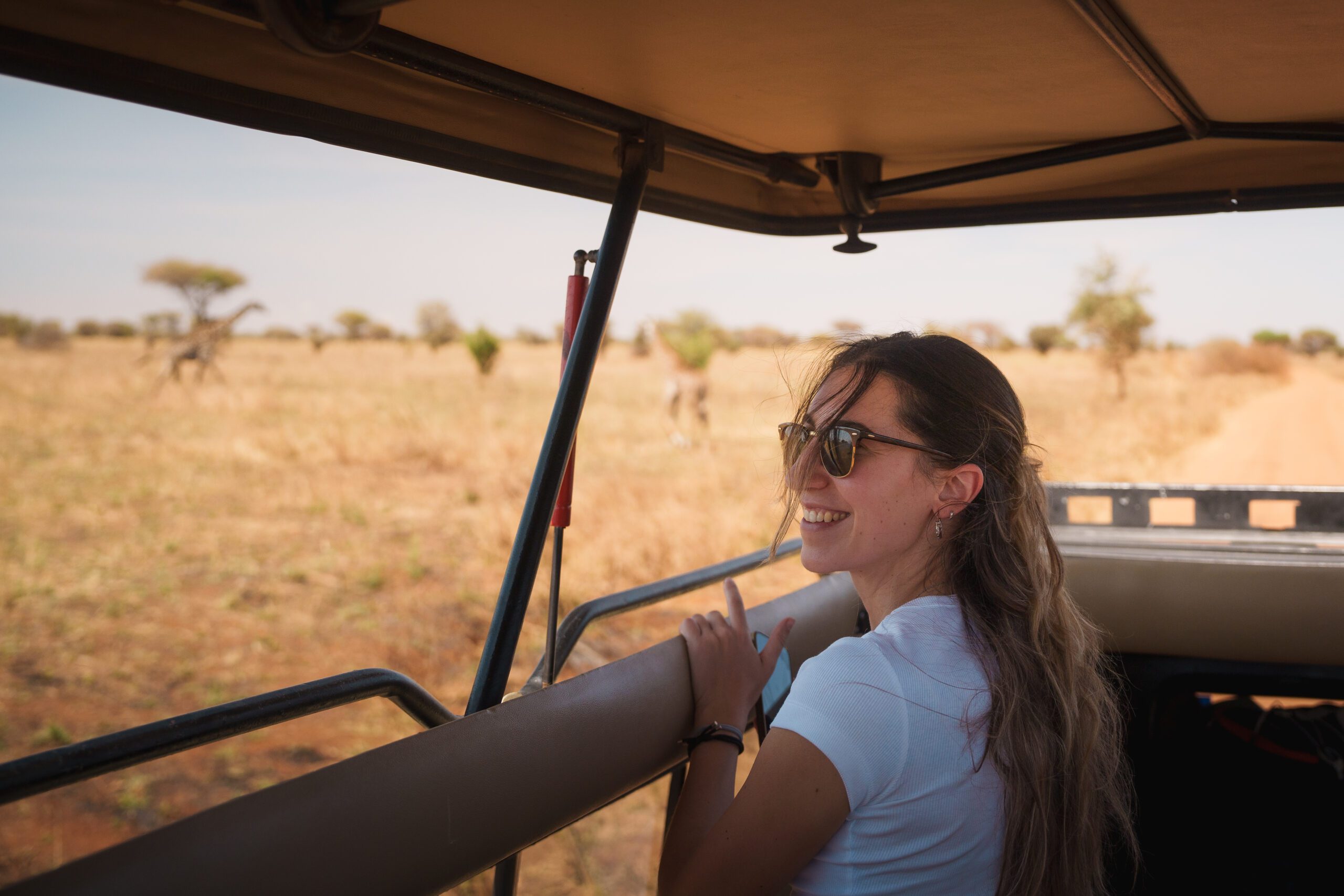
What a guide actually does
The job looks like driving. It is not. A Tanzanian guide who has worked the same parks for a decade is doing several things at once that a visitor never sees.
Reading the ground
Tracks, dung, alarm calls, vultures circling, the direction a herd is facing. A good guide can tell you a leopard passed this way within the hour and follow it. A weak one drives until something appears in front of the vehicle.
Working the radio
Guides share sightings across a network, and knowing which voices to trust is its own skill. An experienced guide filters chatter, decides what is worth a twenty-minute drive, and often knows which report is already stale.
Positioning
The difference between a photograph and a snapshot is usually the angle of the vehicle to the light. Guides who care about this will reposition three times before you have found your camera.
Knowing when to wait
The single most valuable judgement in the job. Recognising that a lioness is about to move, that the herd on the bank will commit to the crossing, that the cheetah on the mound is hunting rather than resting. That judgement comes from years, not training courses.
Why local matters, specifically
This is not sentiment. There are concrete reasons.
- Continuity in the same landscape. A guide who has worked Tarangire for ten years knows which loop the elephants use in September and which waterhole dries first. That is not in any book.
- Language. Swahili on the radio network, plus the local languages that get you a genuine conversation at a village rather than a translated exchange.
- Where the money goes. Booking a Tanzanian-owned company keeps the operator margin in the country rather than routing it to a foreign head office. Every operator employs Tanzanian drivers, but fewer are Tanzanian-owned.
- Accountability. A local company’s reputation is built where it lives. That is a stronger incentive than any online review system.
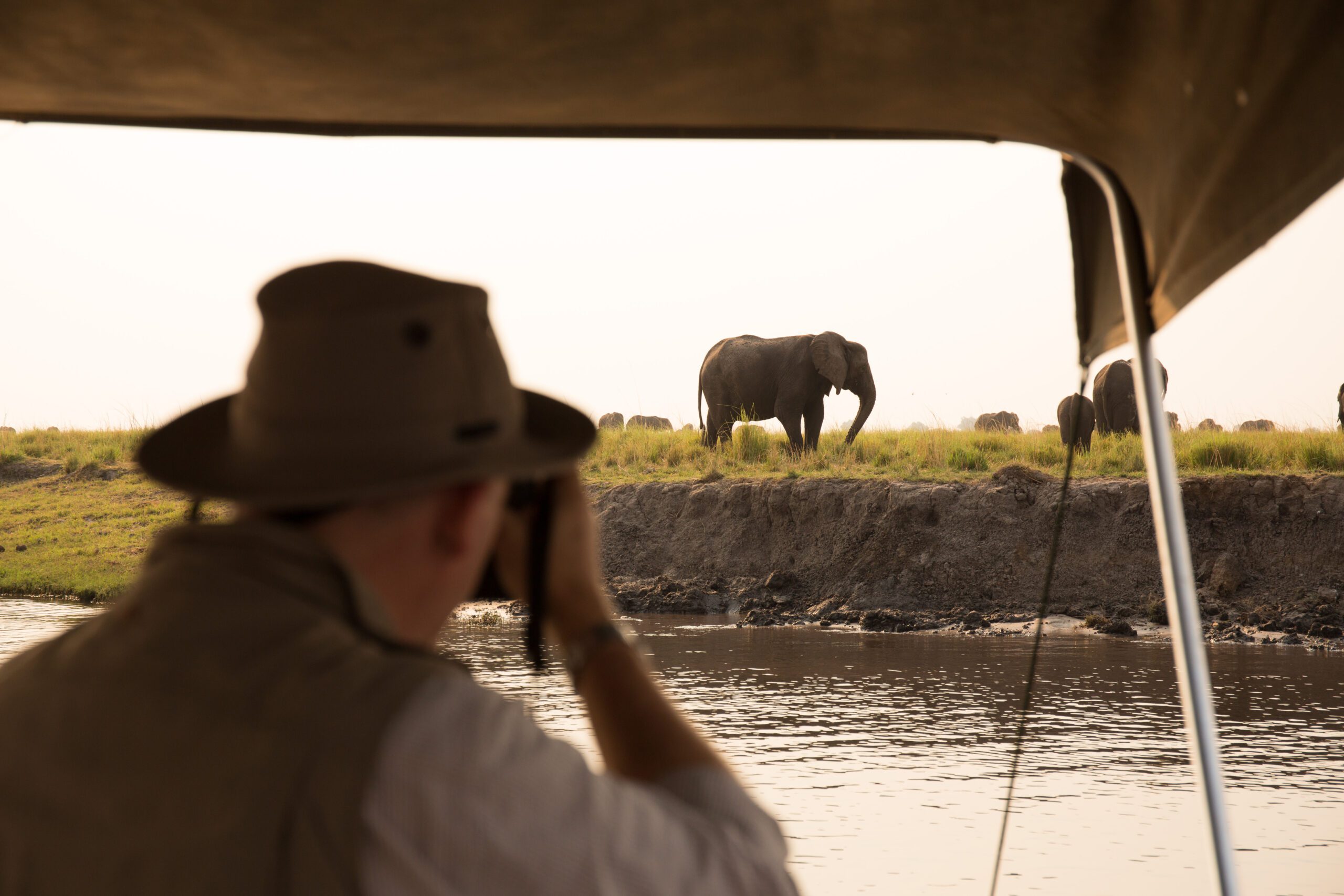
Questions worth asking before you book
- Who owns the company, and where is it registered? Plenty of operators with African branding are head-officed elsewhere.
- Is my guide Tanzanian, and how long have they guided these parks? Ask for years, not adjectives.
- Will the same guide stay with me throughout? Changing guides between parks costs you the rapport and the accumulated knowledge of what you have already seen.
- Are they a qualified guide or a driver? Some operators quote a driver and charge separately for guiding. Check which you are getting.
- Is the vehicle private? A brilliant guide on a shared vehicle still cannot act on their own judgement, because the group decides.
What to expect from the relationship
You will spend more waking hours with your guide than with anyone else on the trip, usually eight to ten a day for a week. Most people find this is the part they underestimate. Tell your guide on day one what you actually want, whether that is birds, big cats, photography light or simply fewer early starts, and a good one will rebuild the days around it without being asked twice.
Tipping is customary and not included in any quote. Budget for it separately and hand it over directly at the end.
Common questions
Do I need a guide, or can I self-drive?
Self-driving is possible in some parks and a poor idea for most visitors. You lose the radio network, the tracking, and the judgement about when to wait, which is most of the value.
Are guides trained and licensed in Tanzania?
Yes, professional guiding is a qualified occupation here with formal training and licensing. Experience in specific parks is the variable worth asking about.
Will my guide speak good English?
Professional guides on the northern circuit work in English as standard. If you need another language, say so at the booking stage rather than on arrival, since it narrows the pool.
What if I do not get on with my guide?
Tell the operator immediately rather than enduring it. Any decent company will change the pairing. Seven days is a long time with the wrong fit.
See how we run a trip
- The Big Five Signature (5 days): Tarangire elephants, the crater floor and two Serengeti nights.
- Taste & Meet Tanzania (6 days): elephants, a crater morning, and a hosted market and farm day.
- About MiGo Legacy Safaris: who we are and where we work.
Tanzanian-owned, Tanzanian-guided
MiGo Legacy Safaris is based in Tanzania and guided by Tanzanians who have worked these parks for years. When you ask us where the elephants will be in September, the answer comes from having been there in September, repeatedly. See that in practice in our 5 day Big Five Signature.
See our Tanzania safari packages, read how to plan the trip, and see what a difference guiding makes to what you actually see.
Talk to us directly and you will be talking to the people who will be in the vehicle.
